Daycare Cots and Cribs for Calm, Organised Nap Rooms
Nap time is where daycare classroom furniture is tested hardest: it must be safe for sleeping children, easy for staff to supervise, and quick to clean and store. Our cots, cribs and Montessori floor beds are built around those three needs.
The range runs from convertible wooden cribs to clear-panel models for easy supervision, plus mobile and stackable designs for tight rooms. Sizes and colours can be adjusted to your layout, so the nap area fits the room instead of the other way round.
Pick the crib type that matches your room
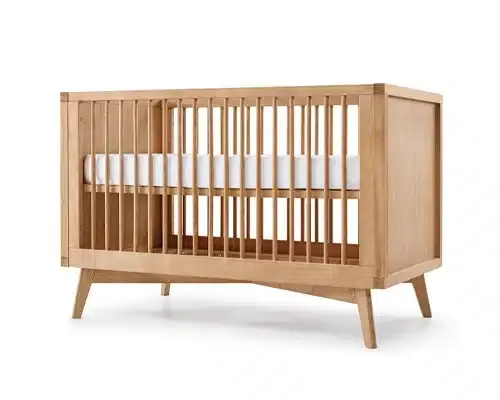
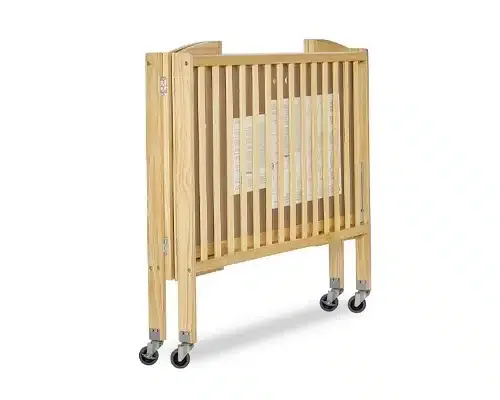
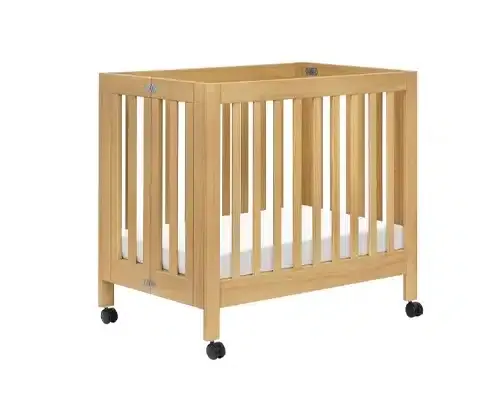
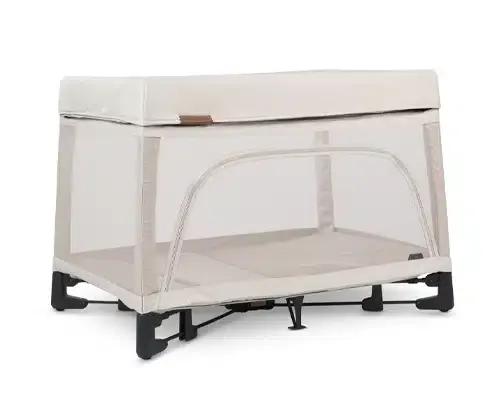
Traditional cribs in wood or metal are sturdy and often offer adjustable mattress heights, but they are heavy and usually stay put. Folding cribs suit rooms where beds are stored between naps, though the folding mechanism needs checking over time. Mini cribs save space and move easily, with a smaller sleeping area that suits younger babies better than older toddlers. Travel cribs are light and portable for temporary set-ups, less suited to daily use.
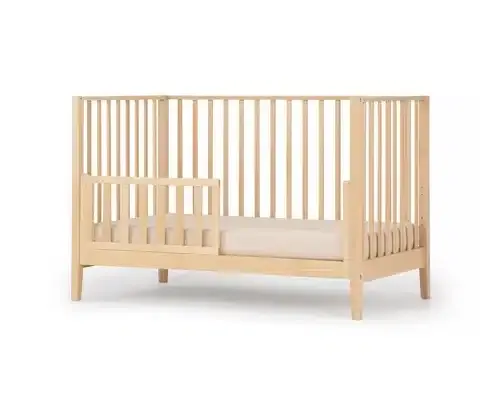
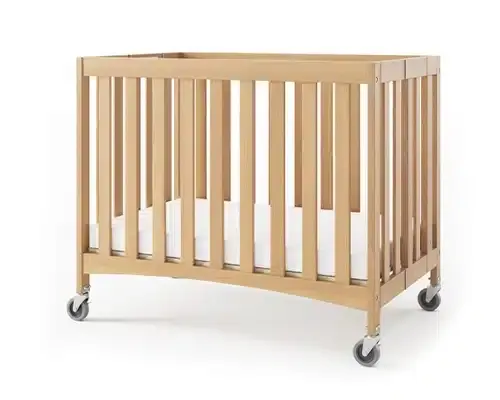
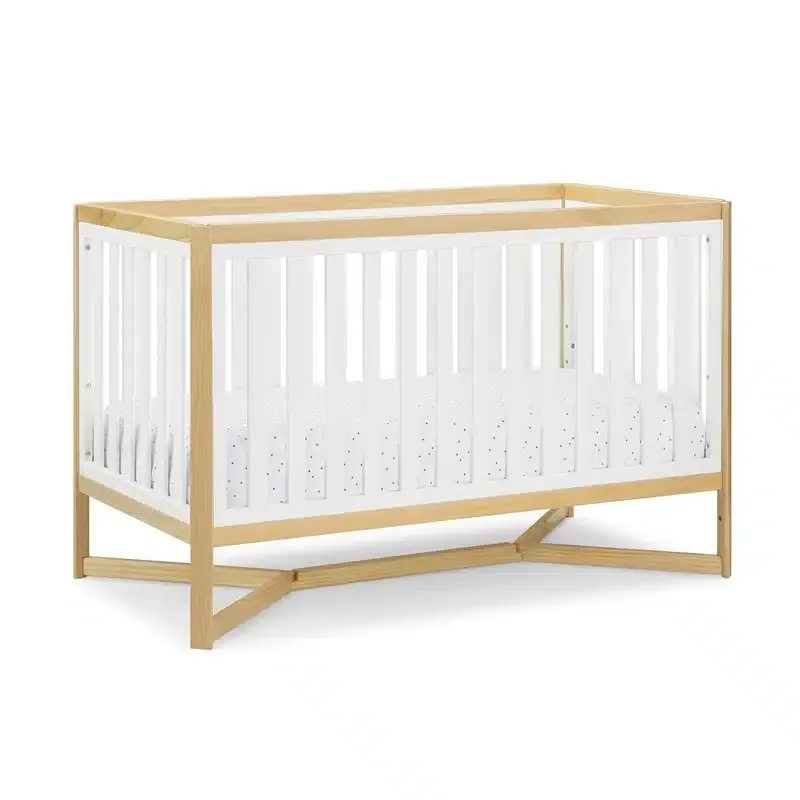
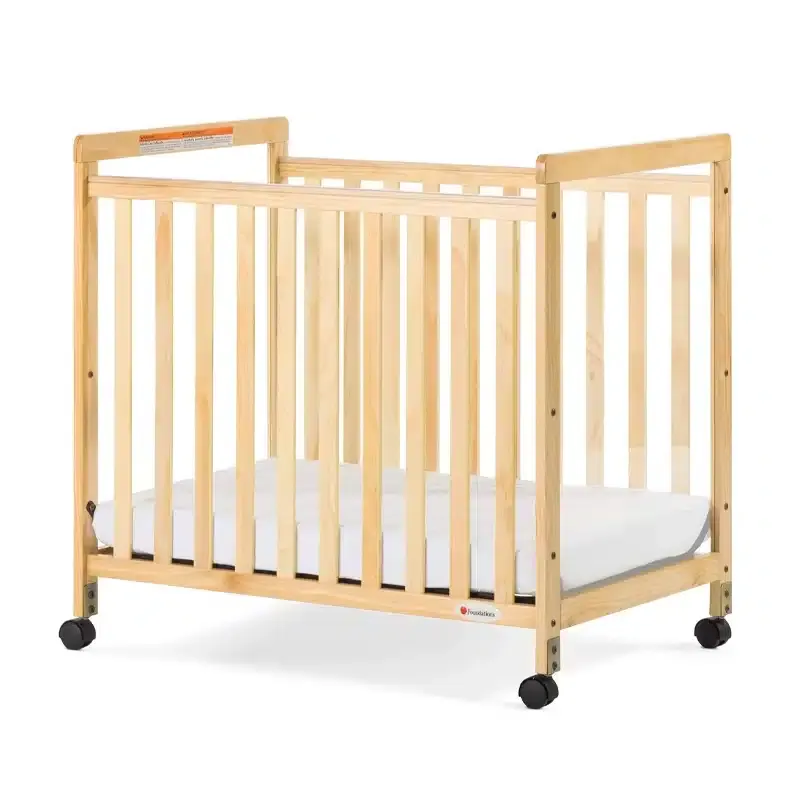
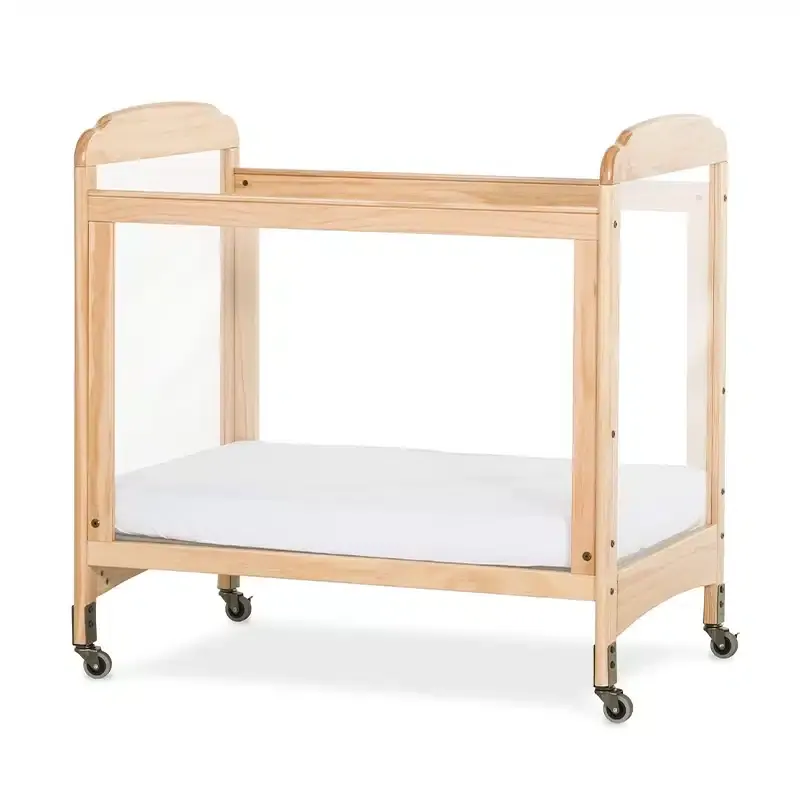
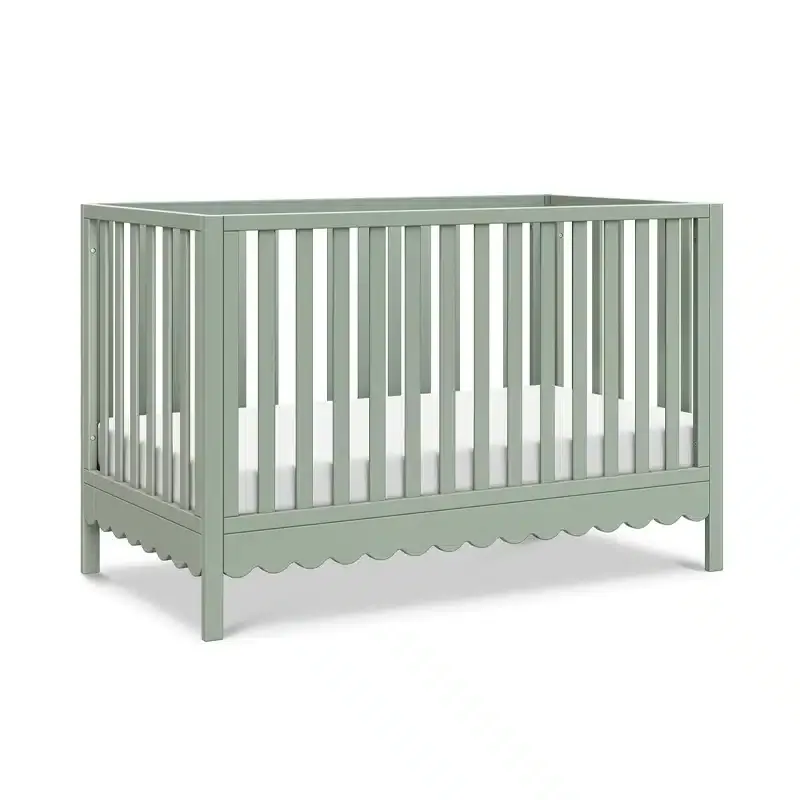
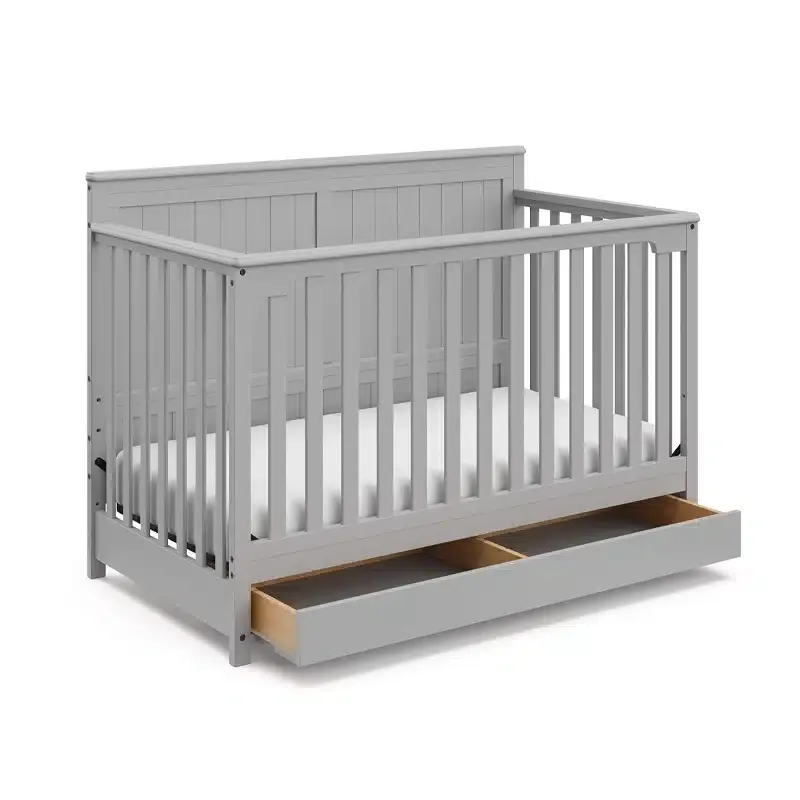
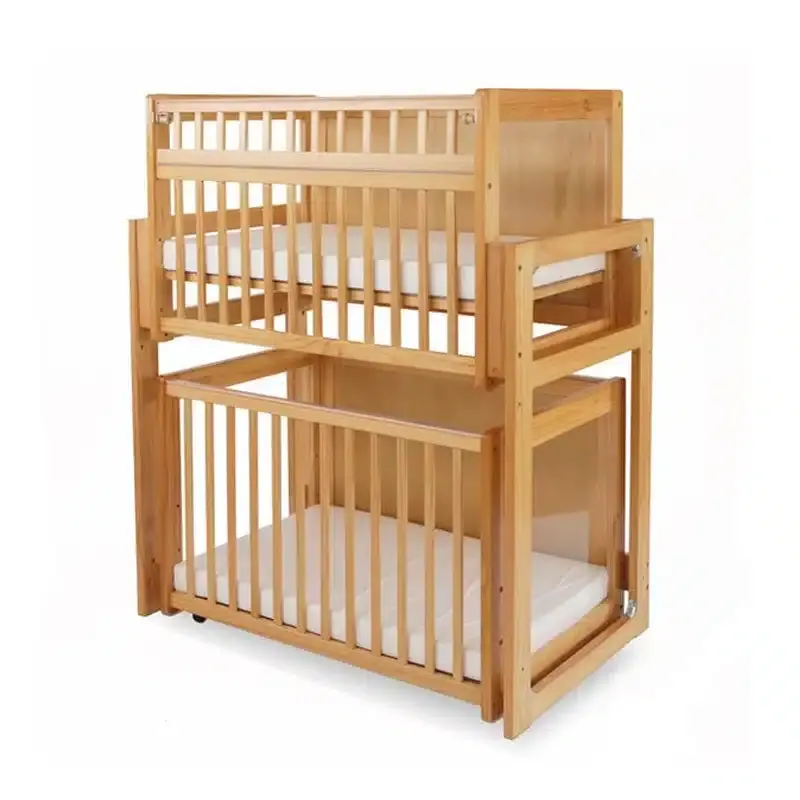
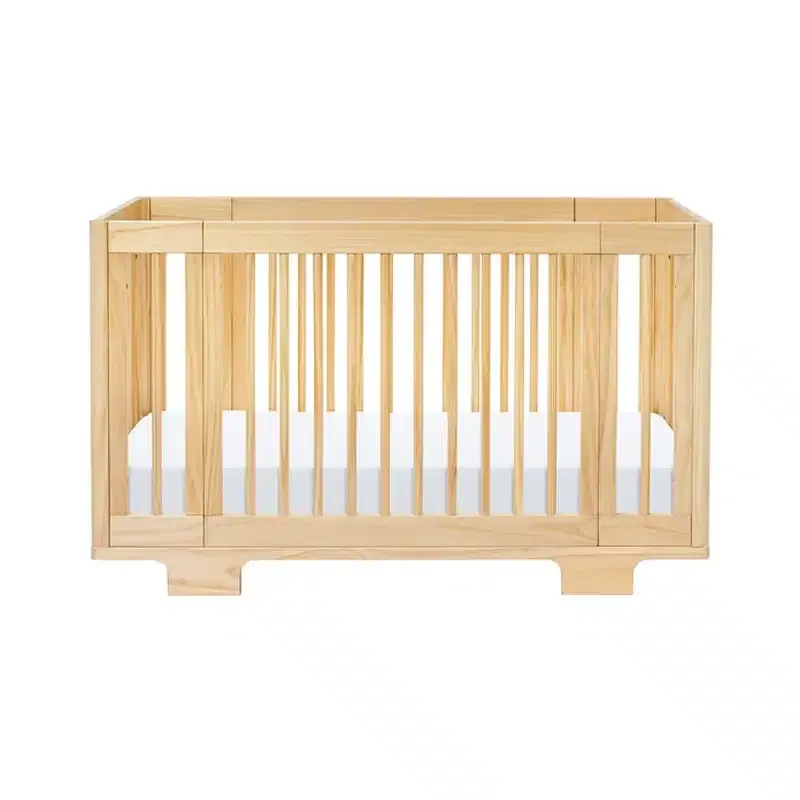
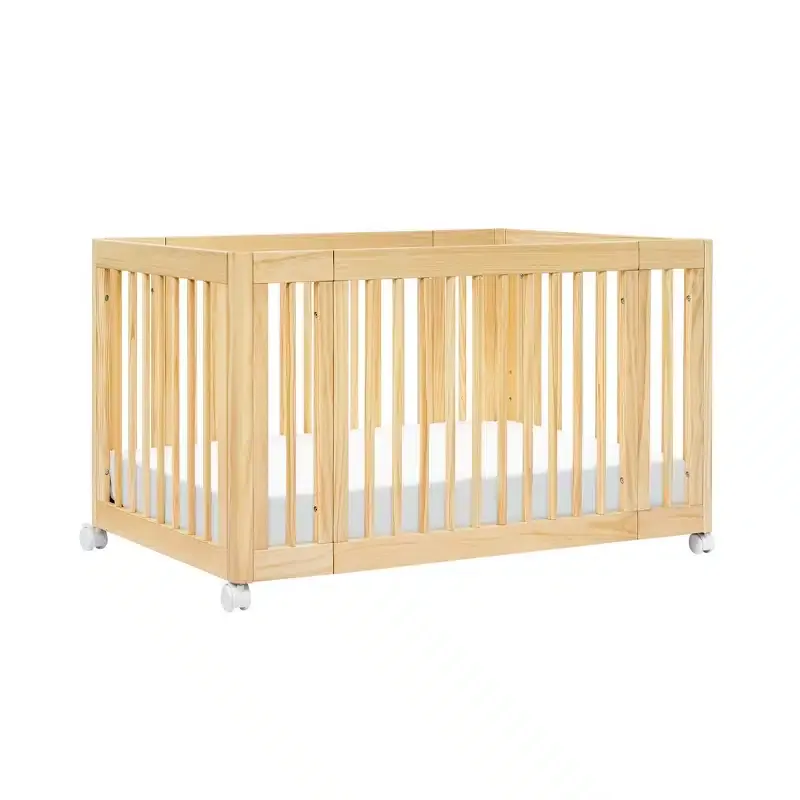
In our range you will find a convertible crib that changes with the child, a model with an under-bed drawer, a crib with a side window and clear acrylic panels for supervision, a movable crib on rolling casters with lockable wheels, and a stackable bunk-style crib that stores vertically.
Safety and build checks before you order
Look first at the sides. Fixed sides are steadier than drop-down ones, whose mechanisms can wear or fail. Check slat spacing so a child cannot be trapped, and confirm that the frame is solid wood or steel rather than something that loosens under daily moving and cleaning. Materials should be non-toxic and free of harmful coatings. Safety standards such as those set by the CPSC are a sensible benchmark when you compare suppliers.
Rolling cribs need lockable wheels, and stackable designs need secure locking when stacked. Tell us which market you are shipping to and we will discuss the documents you may need.
Planning the nap area
A crib should sit where staff can see inside quickly, away from doors and play traffic. Convertible models that become toddler beds or daybeds stretch your investment across age groups. In small rooms, stacking or folding units reclaim floor space once naps are over. Cots and cribs wipe clean more easily than loose bedding on the floor, which helps hygiene across a busy week. Pair them with sheets and mats from our nap supplies range for a full set-up.

Tips for Choosing a Crib
Types of Cribs
Crib Accessories
Crib Materials
| Material | Pros | Cons |
|---|---|---|
| Wood | - Strong and durable - Offers a classic aesthetic - Environmentally friendly options | - Can be heavy - May need occasional maintenance to prevent splinters |
| Metal | - Easy to clean - Lightweight - Often comes with lockable wheels | - Less aesthetically pleasing - Can rust if not cared for properly |
| Plastic | - Affordable - Lightweight and portable - Easy to clean | - May not be as durable - Can feel flimsy compared to wood or metal options |
| Composite Wood | - More affordable than solid wood - Can have a similar look to wood - Light and durable | - May not be as strong as solid wood - Can emit fumes due to the chemicals used in production |
| Bamboo | - Eco-friendly - Strong and durable - Naturally resistant to moisture | - More expensive - Can be heavy |
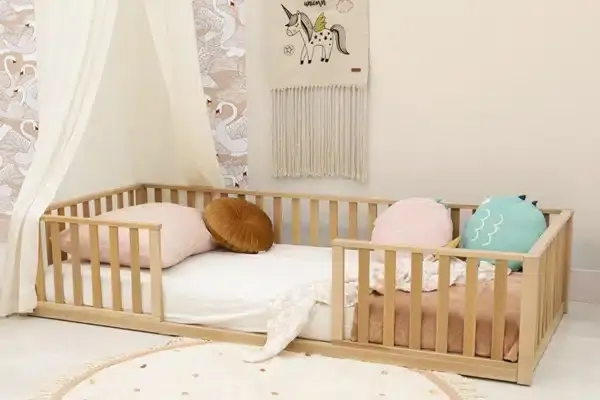
What is a Montessori Bed?
Key Features of Montessori Beds
Low-Profile Design
Natural Materials
Simple and Practical
Freedom of Movement
Types of Montessori Beds
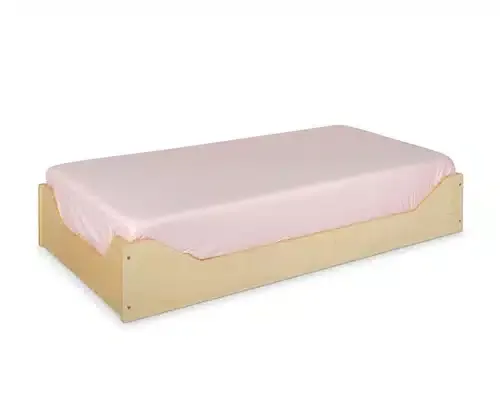
Traditional Montessori Bed
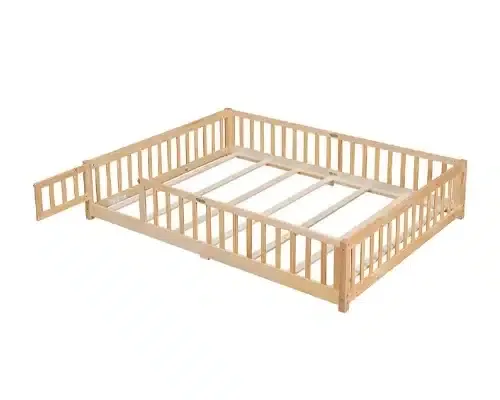
Floor Bed with Rails

Tent Bed
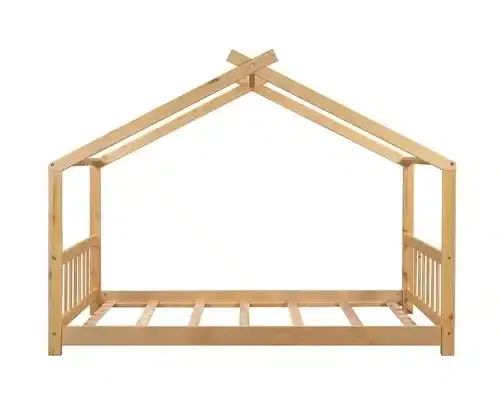
House Frame Bed
What Are the Pros and Cons of a Montessori Bed?

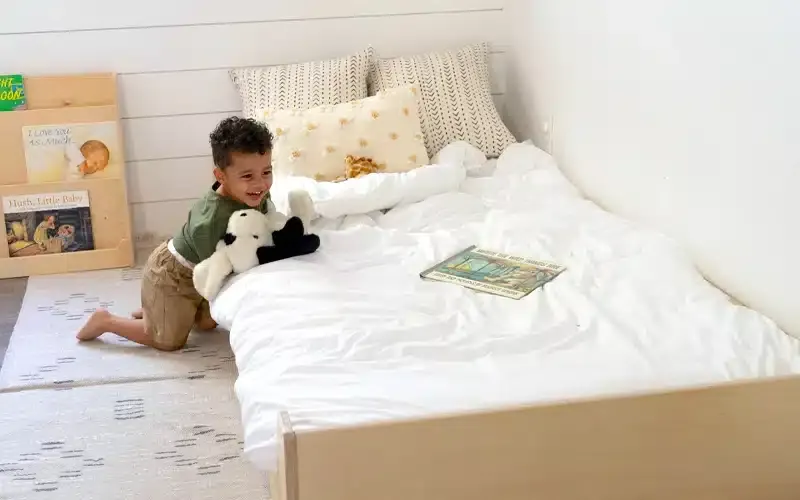
Differences Between a Montessori Bed and a Regular Crib
| Feature | Montessori Bed | Regular Crib |
|---|---|---|
| Design | Low to the ground, simple, encourages independence | High sides to prevent the child from climbing out |
| Accessibility | Child can get in and out of bed independently | Child needs assistance to enter or exit the crib |
| Freedom of Movement | Promotes exploration and autonomy | Limits movement due to high walls and fixed structure |
| Safety | Typically lower risk of falls (especially with rails) | Can be safer for younger infants who cannot escape |
| Size Options | Available in various sizes, | Typically available in one size |
| Materials | Natural wood, non-toxic finishes | Often made of synthetic materials with plastic parts |
| Cost | Can be more expensive, especially with customized designs | Generally more affordable, especially for standard models |
How to Choose the Right Size Montessori Bed

Infants (0 to 6 months)

Crawling Babies (6 to 12 months)

Toddlers (1 to 3 years)

Preschoolers (3 to 6 years)

Elementary School Students (6 to 12 years)

Frequently asked questions
Can cots be made in custom sizes and colours?
Yes. Sizes and colours can be customised to fit your room layout and decor.
Which cribs save the most space?
Stackable bunk-style cribs and folding or mini models take the least floor area when not in use.
Why choose fixed sides?
Fixed sides give a steadier barrier than drop-down sides, which can wear or malfunction over time.
Are cribs easy to clean?
Yes. Smooth surfaces and open frames are designed so staff can wipe them down between uses.
Photos from this range
Tell us your quantities and room sizes. Free classroom design is included, and we reply within 24 hours.
Request a quote for this range
Or send a quick inquiry here
Sorry, we could not send your message. Please try again (please include your email so we can reply), or email [email protected] or message us on WhatsApp.
Prefer chat? WhatsApp +86 137 0426 8000 or email [email protected]
Before you buy
Planning guides that help you choose, size and order this range.
- Classroom furniture by type Tables, chairs, shelves, storage, cots, climbers and rugs: what each does and how to choose.
- Safety and certification What ASTM F963, CPSIA and EN 71 cover, and what to ask for when buying for a centre, a chain or a tender.
- Daycare furniture packages What a room-by-room furniture package contains and how to size one for your centre.