Sustainable Daycare Furniture: Making a Positive Impact on the Environment and Children’s Health
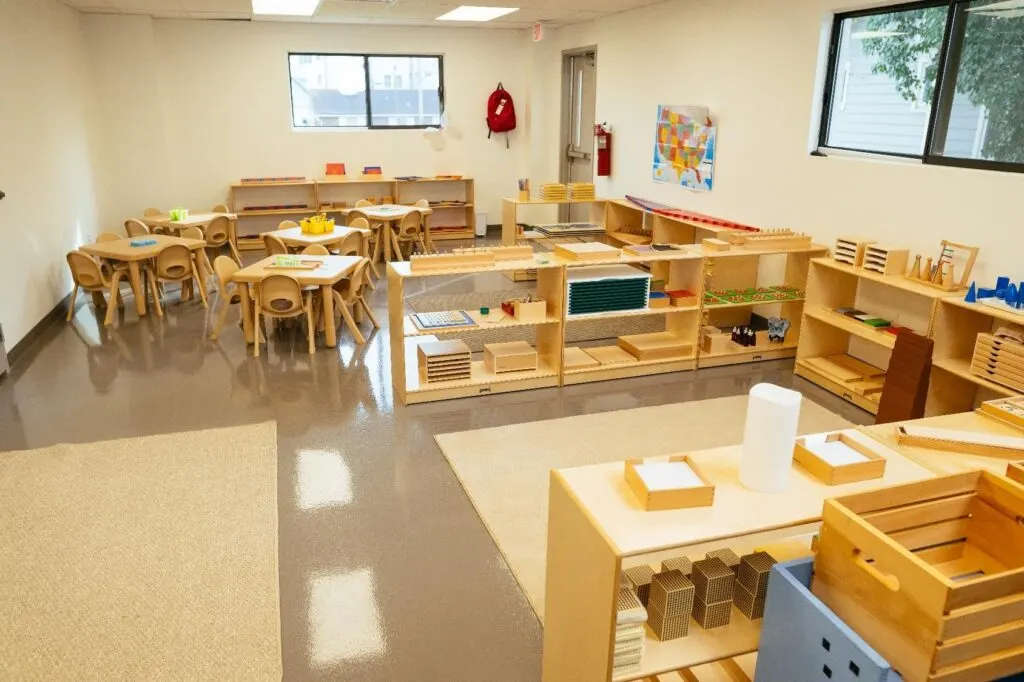
Introduction: In today’s world, sustainability has become a crucial consideration in every aspect of our lives, including the furniture we choose for our daycare centers. In this blog post, we will explore the importance of sustainable daycare furniture and its significant benefits for both the environment and children’s health.
- The Environmental Impact of Conventional Furniture: a. Discuss the harmful effects of conventional furniture production on the environment, such as deforestation, resource depletion, and carbon emissions. b. Highlight the need for eco-friendly alternatives to reduce the environmental footprint of daycare centers.
- Sustainable Materials and Manufacturing Processes: a. Introduce sustainable materials used in daycare furniture, such as FSC-certified wood, recycled plastics, and low-emission finishes. b. Explore eco-friendly manufacturing processes, including energy-efficient production, waste reduction, and responsible sourcing.
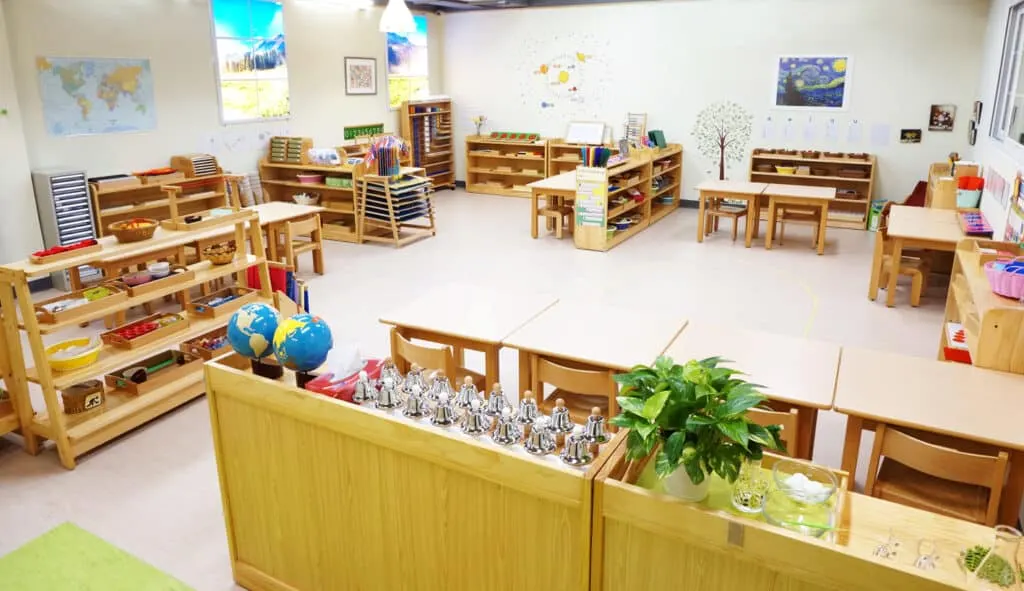
- Indoor Air Quality and Health Benefits: a. Explain how sustainable daycare furniture contributes to improved indoor air quality, reducing the risk of harmful chemicals and allergens. b. Discuss the impact of healthy indoor environments on children’s respiratory health and overall well-being.
- Durability and Longevity: a. Emphasize the importance of investing in high-quality, durable daycare furniture that can withstand heavy use over time. b. Discuss how durable furniture reduces waste by minimizing the need for frequent replacements.
- Educating Children about Sustainability: a. Explore the opportunity to teach children about sustainability through the use of eco-friendly furniture. b. Discuss how incorporating sustainable practices into daycare centers can inspire children to become environmentally conscious individuals.
- Cost-effectiveness and Return on Investment: a. Address the misconception that sustainable daycare furniture is expensive and explain its long-term cost-effectiveness. b. Highlight potential financial benefits, such as reduced maintenance and replacement costs.
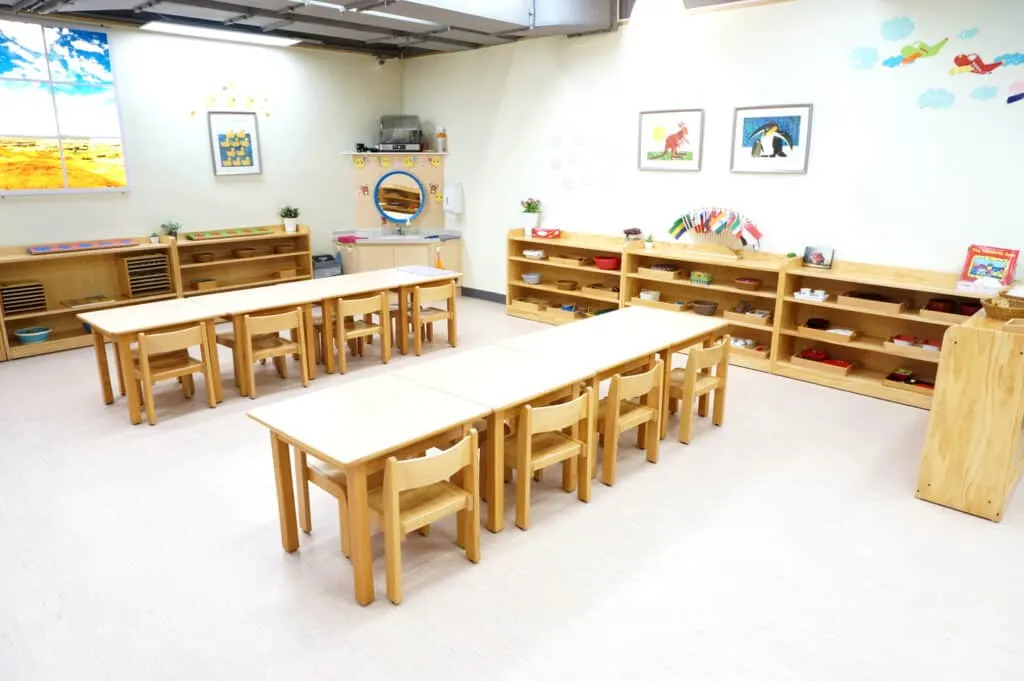
Conclusion: By choosing sustainable daycare furniture, we can create a healthier environment for children while minimizing our impact on the planet. Investing in eco-friendly materials, manufacturing processes, and durable designs not only benefits children’s health but also teaches them valuable lessons about sustainability. Together, let’s make a positive impact on the environment and create a brighter future for our children. manufacturing processes, and durable designs not only benefits children’s health but also teaches them valuable lessons about sustainability.
Share this article:The Author >>Kid Montessori editorial teamCategoriesRecent Posts
Wooden Preschool Furniture Care Guide For Busy Classrooms
How to Childproof a Daycare Classroom: A Practical Safety Checklist
Daycare Cribs Buying Guide: How to Choose Safe, Practical Sleep Furniture
Object Permanence: What Babies Learn and How Montessori Activities Support It
Effective Preschool Classroom Rules: How to Create a Safe and Orderly Learning Environment
How to Start a Daycare: A Practical Planning Guide
Kid Montessori editorial teamIf you need a purchase or consultation, please contact us for a free product catalog and classroom layout design.
CONTACT ME NOW