Why is Montessori only wood toys?
Montessori education is known for its emphasis on hands-on learning and the use of educational materials that promote independence, exploration, and discovery. One hallmark of Montessori materials is their use of natural materials, particularly wood. In this blog post, we'll explore the reasons behind why Montessori toys are often made of wood. 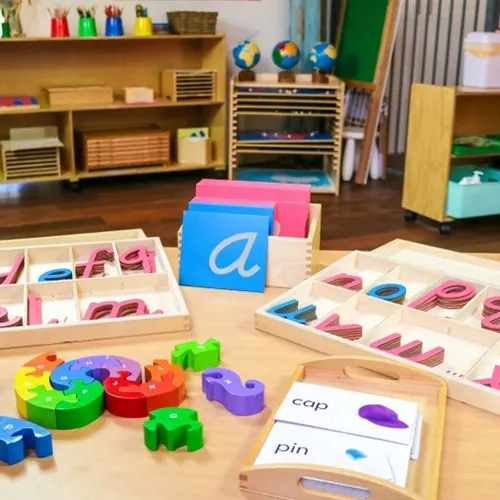

Montessori education is known for its emphasis on hands-on learning and the use of educational materials that promote independence, exploration, and discovery. One hallmark of Montessori materials is their use of natural materials, particularly wood. In this blog post, we’ll explore the reasons behind why Montessori toys are often made of wood.
- Safety: Wood is a natural, non-toxic material that is safe for children to play with. Unlike plastic toys, wooden toys are free of harmful chemicals that can be harmful to children’s health. Additionally, wooden toys are more durable and less likely to break into small, sharp pieces that can be a choking hazard.
- Sensory experience: Wooden toys provide a unique sensory experience for children. They have a natural texture, weight, and warmth that is pleasing to the touch and encourages exploration. This sensory experience is an essential part of the Montessori method and helps children develop their senses and their ability to explore and learn through hands-on experiences.
- Eco-friendly: Wooden toys are also eco-friendly as they are made from a renewable resource and can be recycled or biodegraded. By choosing wooden toys, parents can make a positive impact on the environment and teach their children about sustainability and conservation.
- Durability: Wooden toys are durable and can withstand years of use, making them a great investment for families. They can be passed down from generation to generation, creating a sense of family history and tradition.
- Versatility: Wooden toys are versatile and can be used in many different ways, promoting open-ended play and creativity. They can be stacked, sorted, and arranged in different ways, providing endless possibilities for play and learning.
In conclusion, Montessori toys are often made of wood due to their safety, sensory experience, eco-friendliness, durability, and versatility. By providing children with wooden toys, parents can offer them a safe and engaging way to explore and learn through hands-on experiences.
The Author >>Kid Montessori editorial teamPrevPreviousWe’ll Help You Design Your Dream KindergartenNextTrusted Partner for Kindergarten FurnitureNextCategoriesRecent PostsWooden Preschool Furniture Care Guide For Busy Classrooms
How to Childproof a Daycare Classroom: A Practical Safety Checklist
Daycare Cribs Buying Guide: How to Choose Safe, Practical Sleep Furniture
Object Permanence: What Babies Learn and How Montessori Activities Support It
Effective Preschool Classroom Rules: How to Create a Safe and Orderly Learning Environment
How to Start a Daycare: A Practical Planning Guide
Kid Montessori editorial teamIf you need a purchase or consultation, please contact us for a free product catalog and classroom layout design.
CONTACT ME NOW